


Making Space for Nature
Our aim is to work with nature, in order to increase biodiversity within the unique flora and fauna in both the public and private spaces within our village. We hope to provide the maximum range of appropriate food plants important for declining pollinators. Even small increases in the numbers of flowering plants can hugely benefit insects, and therefore the whole food chain.
To understand and boost this particular delicate ecosystem, we will be working with experts and appropriate authorities (especially in public spaces such as verges, etc.) Through our website, at fairs and courses, we will encourage interested residents to create areas within their gardens, to boost wildlife. Increasing biodiversity in our local environment will greatly benefit not only nature, but ourselves, and most importantly our planet. Carbon emissions can be mitigated by enhancing wildlife.


Greener Brockenhurst
‘Make Space for Nature’ Garden
We are managing a corner of the grounds at St Saviours Church in Brockenhurst to maximise its benefit to wildlife and to show what can be done in your own garden. Official figures show residential gardens cover nearly 5% of England, so making them wildlife-friendly can have a big impact.
The essentials of wildlife gardening are based on four things; trees, deadwood, water and variety of planting. Simple actions such as creating a small wildlife pond, leaving areas of grass uncut, planting pollinator-friendly flowers or keeping deadwood piles can provide vital food, water and shelter for wildlife across the wider New Forest landscape.


Flower beds for pollinators
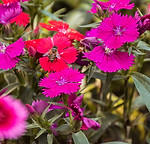
We are lucky to be surrounded by beautiful countryside but many parts of the Forest do not have nectar-rich plants for pollinating insects. Growing native plants such as Lungwort, Ox-eye daisy and Water Mint in local gardens is especially valuable.
We are growing native wildflowers as much as possible to support bees, butterflies, beetles and other pollinators. So far we have sown two areas with both annual and perennial seed mixes and we are planning to sow a meadow mix in the future. (https://wildseed.co.uk/) Many cottage garden plants are also suitable for attracting butterflies and bees – they need to have simple flowers that make it easy for the insects to get to the nectar.
The wild bit – brambles, blackthorn, nettles, ivy and holly
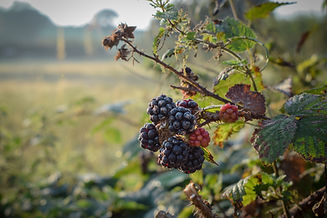
We keep a patch of brambles as they are hugely valuable as food for over 100 moth species and a source of nectar, pollen, berries and shelter for a range of insects, birds and mammals.
Nettles are the food plant of the caterpillars of some beautiful butterflies: Red Admiral, Peacock, Small Tortoiseshell and Comma. They could be grown in a large buried pot to stop them from spreading.
Blackthorn provides early pollen and nectar for insects such as queen bumblebees. It is also a food source for several butterflies (such as Brimstone, Small Tortoiseshell, Comma and Orange Tip) and provides safe nesting sites for birds and small mammals.
Ivy supports more than 140 species of insects and 17 species of birds. Ivy flowers from September to November, providing a crucial late-season supply of nectar and pollen when other flowers have faded. It is heavily relied upon by honeybees, bumblebees, hoverflies, wasps, and autumn butterflies. The dark berries ripen from late winter into early spring, offering a high-fat energy source for birds like blackbirds, thrushes, redwings, and starlings when other food is scarce. The leaves are eaten by the caterpillars of moths and butterflies, such as the holly blue and swallow-tailed moth. The dense evergreen foliage offers safe, hidden sites for birds like wrens, robins, dunnocks, and sparrows to build nests and roost safely through cold weather.
Holly also supports a wide range of birds, insects and mammals. The red berries are a source of food for thrushes, redwings, fieldfares and blackbirds. The leaves and flower buds are the primary food source for caterpillars of the holly blue butterfly and several moth species.

Pond
A pond is an essential habitat for a wide range of wildlife for breeding, feeding and drinking. It is vital for parts of the life cycle of frogs, toads, newts, dragonfly and damselfly for example and it gives birds, hedgehogs, and other small mammals a safe place to drink and bathe. It will attract fascinating invertebrates like pond skaters, water boatmen, and diving beetles and can become a crucial safe haven during dry periods when natural pools in the Forest dry out.
It doesn’t have to be large. According to organizations like Froglife, a mini-pond made from an upcycled half-barrel, old sink, or large tub can still attract diverse wildlife if it has an easy way for creatures to climb in and out. Ours is made from a half-barrel lined with a waterproof membrane. We also provide a shallow container with pebbles and shells for insects to perch and drink safely.
Log pile
A pile of rotting logs in a shady corner will feed beetle larvae and shelter animals such as frogs, toads, slow worms and hedgehogs. Decaying wood attracts woodlice, centipedes, spiders, bark beetles, and stag beetle larvae, alongside beneficial fungi and lichens that break down the timber. Hedgehogs and shrews use the piles for nesting, safe harbour, and hunting garden pests like slugs, while birds such as blackbirds and thrushes feed on the abundant insects.


Dead tree stumps/stumpery
The rare stag beetle – the UK’s largest beetle – needs dead wood to breed. The larvae live underground for 3 to 7 years eating the rotting wood before emerging as an adult between May and August. The number of stag beetles in the UK has declined significantly partly due to loss of habitat, so providing a small area of partly buried dead wood can help this splendid beetle to survive.
Hedgehog house
Efficient winter nests are essential if hedgehogs are to survive hibernation. In the wild, in the autumn, they begin to collect dry leaves, grass, bracken, reeds etc. and use these materials for building their own nests at the bottom of hedgerows, fallen logs or piles of brushwood.
Most gardens have a supply of the materials mentioned above and suitable sites for nests – gaps under sheds, compost heaps, shrubs and piles of leaves or behind stacks of logs and under spare building materials. In these circumstances, if hedgehogs want to spend a winter here, they should be able to get on and build their own shelters. However, you may like to provide hedgehogs with a more permanent structure like the one at St Saviours. The British Hedgehog Preservation Society has a design and easy to follow instructions at


Bug hotel
An average garden accommodates more than 2,000 different species of insect! Very few of these creatures cause significant damage to our prized plants, and there are many more insects that actually help us to control the ones that do! By providing the right habitats, we can greatly increase the number of ‘beneficial’ insects in the garden.
One way to increase the comfort of your patch for insects is to build them a bug hotel like the one at St Saviours. The Wildlife Trust provide details:
‘Make Space for Nature’ Garden
The wildlife garden is being maintained and developed by a small but big-hearted and determined group of volunteers from Greener Brockenhurst’s Make Space For Nature Team and St Saviours Eco Church. Please do get in touch if you would like to know more.
For general information and advice see:


MINI MEADOWS:
No matter how small your garden is, some grassy patches left unmown in your lawn can soon provide habitats for wildlife. Pollinators will visit the new flowers , bees love clover, seeding grasses and dandelion provide food for sparrows and goldfinches. Butterflies and moths may breed in the long grass and hedgehogs, frogs, toads and newts may use it to find food and shelter from predators. You may only have room for one patch, but you can make a lovely feature of these varying shapes or strips, contrasting against the short grass. Check that the patch will be quite quiet and enjoy observing these patches, take note of new species, and do send photos via our website or Facebook.
If you don’t have a lawn, why not plant pots with lovely pollinating flowers, such as Cosmos, Salvia and Geranium or herbs. Marjoram, thyme, chives and lavender are all great plants for pollinators. And if you are growing vegetables in pots, grow french marigolds and nasturtiums as companion plants. They will attract bees and other pollinators plus predators like ladybirds, hoverflies and lacewings that eat the pests that would otherwise eat your crops. Finally they are good at attracting predators like slugs and blackfly away from your vegetables.
You can also take part in Every Flower Counts, an exciting survey to monitor our lawns here in the UK. They aim to assess trends over time, and see whether we can manage our lawns differently to increase the National Nectar Score. Will climate change have an impact on flowering and nectar production? What are the most abundant flowers and what can we do to encourage them.
If you are interested in taking part in this exciting and simple survey go to: plantlife.org.uk/everyflowercounts
We also offer free garden consultations for your nature friendly garden.
